01

You might ask, why does a Sociology student want to do Growth and Operations?

Actually, I believe sociology and user operations are highly compatible. This is not a limitation, but my advantage.

1. Sociology helps me understand users better

The core of sociology is studying human behavior and social phenomena, and the core of user operations is studying user behavior. Systematic sociological training gives me deeper user insights. I analyze user behavior from a sociological perspective—such as social identity, conformity, and social networks—focusing on their true needs rather than surface demands.

Example in Practice

For example, during my internship at Shandong Health Group, I noticed many users were skeptical about the AI TCM device—not because the technology wasn't good enough, but due to a lack of trust. Behind this is the 'authority effect' and 'conformity' in social psychology. So I suggested introducing the company's background during the waiting period (authority effect) and showing success cases from other users (conformity), which successfully increased user trust.

2. Transferring sociological methodology to operations

Through my undergraduate studies, I have become proficient in qualitative research methods, such as in-depth interviews, surveys, focus groups, and ethnography, which translate perfectly into user interviews and observation skills. Additionally, quantitative research methods like surveys, data analysis, and statistical modeling can be directly applied to user research and data analysis. From macro to micro, systematic thinking from structure to individual also allows me to comprehensively consider everything from growth strategies to execution details.

Example in Practice

For example, at Shandong Health Group, I used the 'shadowing' observation method (derived from sociological participant observation) to track the entire user journey, discovering 3 critical experience breaking points. This method uncovers real problems far better than a simple survey.

3. I want to create practical value, not just stay in theory

While academic research in sociology is highly valuable, I found that I prefer applying theories to practice to solve real-world problems. User operations is the best application scenario for sociological theory: I can analyze user behavior with sociological theories, collect feedback with sociological methods, and ultimately influence behavior through operational strategies.

4. Digital Social Science gives me a hybrid advantage

I understand both users (Sociology) and data (Data Analysis): I can use qualitative methods to deeply understand users, and I can use quantitative methods to verify hypotheses (SQL, SPSS, Python, R). This hybrid background is highly valuable in user operations.

Example in Practice

Many operations professionals only look at data without understanding user psychology, while many product managers understand users but lack data analysis skills. I can combine both to make better decisions.

"This is why I chose Growth Operations as my career direction: it is the best application scenario for sociological theory, and it is where I can create the most value."

If you worry about whether I can adapt to a new environment and pick up things quickly:

02

How I Learn

Learning by Doing

I believe the best way to learn is through practice. When I wanted to learn user growth, I didn't just read theory—I took a growth operations internship at AI职小盒. To learn UX optimization, I worked on the frontline at Shandong Health Group. I learn as I go: researching, asking questions, testing, and iterating in real-world scenarios.

Case Studies

I extract actionable methods by studying successful examples. During my internship, I analyzed the growth models of over 10 competitors to define three main growth channels. I regularly read business cases, break down their underlying logic, and document what can be transferred to my own projects in my personal knowledge base.

Learning from Others

I actively seek advice from experienced people to quickly grasp key information. I observe the working methods and thinking logic of my leaders and colleagues, join professional communities, and attend industry events to exchange ideas with peers.

How to Master a New Field?

Taking my journey in User Growth / Operations as an example:

Step 1

Build the Framework

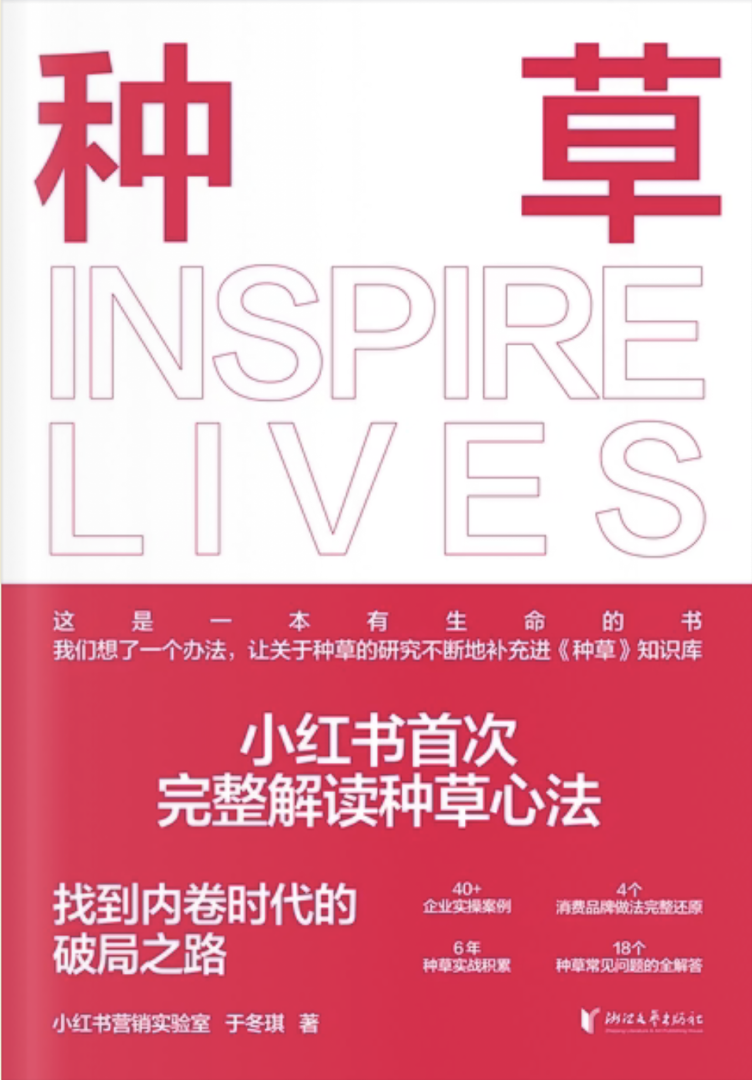
I start by quickly reading 1-2 classic books to understand core concepts and build a foundational framework.

Step 2

Study the Cases

I research practical strategies used by different companies and extract actionable methods.

View Case Study: A Brand I Love: Babycare — Human-centric Long-termism
Background: Fierce competition in the maternal and infant market.
Core Strategy:
  • Product Development: Starting from 'meeting all the needs of a specific group' (building a demographic brand rather than a category brand).
  • Marketing Returns to Humans: Marketing that doesn't bring direct financial returns can also be successful (e.g., setting up the 'White Shell Care Fund' for painless childbirth subsidies, non-sales livestreams focused on parenting knowledge, 24-hour parenting consultation, 200+ nursing rooms, and campaigns to 'remove labels' from parents).
  • Viral Campaign: 'Maternal love doesn't need to be proven by pain' went viral.
Results: Despite the dual challenges of the pandemic and a declining birth rate, sales continued to increase. They built deep user trust and captured the mindshare of their target audience.
Takeaways:
  • Altruism! The goal isn't just to make money, but to make the customer's life better.
  • Building trust = the best sales strategy.
  • First empathize and speak up to build trust, then natural conversion will follow.
Step 3

Practice & Reflect

I apply these methods in actual projects, adjust them based on real feedback, and build my own knowledge system. Most importantly, I reflect and summarize after every project to extract reusable methods.

In A Team

The Role I Usually Play in a Team

01

Leader

In group assignments or project presentations, I often become the team lead, or simply the person who keeps things moving forward. I usually begin by clarifying the task, aligning on the goal and the expected deliverable, then dividing the work based on each person's strengths. I also keep track of progress and step in when disagreements appear, so the team can keep moving in the same direction.

Example: For example, our group work in major-related courses consistently received A grades.
02

Coordinator

In situations that involve cross-team collaboration or resource coordination, I often take on the role of the coordinator. I try to make sure information is passed clearly, progress stays visible, and different sides remain aligned. When people have different understandings or priorities, I usually step in to help reconnect everyone and move the project forward.

Example: During my internship at AI职小盒, I needed to coordinate with the strategy lead, the development lead, and the growth lead to push the seed user plan forward. I used a Gantt chart to track progress and keep everyone aligned.
03

Executor

When the task and goal are already clear, I can also focus very steadily on execution. I care about finishing work on time and with quality. I also like to give timely feedback on progress, surface issues early, and suggest improvements when I notice something that could work better.

Example: During my internship at Shandong Health Group, my main work was user experience optimization and SOP building. While focusing on execution, I also actively raised suggestions for improvement.

How Teammates Usually Describe Me

Responsible

If something is given to me, I will make sure it gets done on time.

Thoughtful

I often bring in new ideas or practical suggestions for improvement.

Easy to communicate with

I can express my thinking clearly, and I also listen carefully to others.

Strengths & Weaknesses

Strengths

Three words that describe me: Curious, grounded, and an extremely strong planner

Curious

I stay curious about new things and enjoy exploring unfamiliar areas, which helps me learn quickly and adapt to new environments. For example, I actively learn and use AI tools. I also keep up with the latest AI developments, such as newly released models and products. This portfolio itself was built with Trae. Rather than getting stuck in AI anxiety, I would rather learn to use these tools well and become more effective in my work.

Grounded

I do what I say I will do, and that has helped me build trust in teams. I also take responsibility for the details in what I produce. Honestly, polishing details is something I really enjoy. GPA does not explain everything, but every 0.01 point reflects my carefulness, seriousness, and ability to execute.

An extremely strong planner

I have my own SOP for time planning. Beyond the basic urgent-important matrix, I mark all deadlines in my planner before each semester begins, then break them down into smaller tasks and specific time nodes, so that I can finish things early and still keep the quality high.

Weaknesses

Sometimes I focus too much on doing things well instead of starting quickly

I can be quite demanding of myself, and sometimes spend too much time on details. In projects, I may polish non-core parts repeatedly because I want the result to be better, but that can slow overall progress. I now remind myself that many situations require fast iteration: start first, test early, and improve along the way. After noticing this, I try to use MVP thinking by finishing the core part first, then refining the details, while also setting time limits to avoid over-focusing on small things.

Sometimes I am not firm enough

In team discussions, when my view differs from others, I sometimes compromise too early instead of holding my ground. That can mean missing a good idea. After realizing this, I have been learning to express my views more confidently and support them with data and logic. At the same time, I still want to stay open-minded, but be more willing to stand firm on important questions.

Creative Lab

Operations & Creative Design

小红书内容图 1
小红书内容图 2

Rednote Content Operations

I have experience operating Rednote accounts and once managed a campus ambassador account intensively for a month. I have worked on viral notes, developed a strong sense of visual taste and platform instinct, and can use Canva, Jianying, and AI tools to make creative work more efficient.

#Content Ops#Taste & Internet Sense
Single Post:
Impressions
72k+
Views
11k+
Interactions
2.6k+

Visual Communication

Canva & AI Tools

I use imagery, layout rhythm, and pacing to make complex information feel clearer and easier to remember.

海报作品
Second poster work

Across Cultures

Across Cultures

Hong KongSingaporeFranceUK

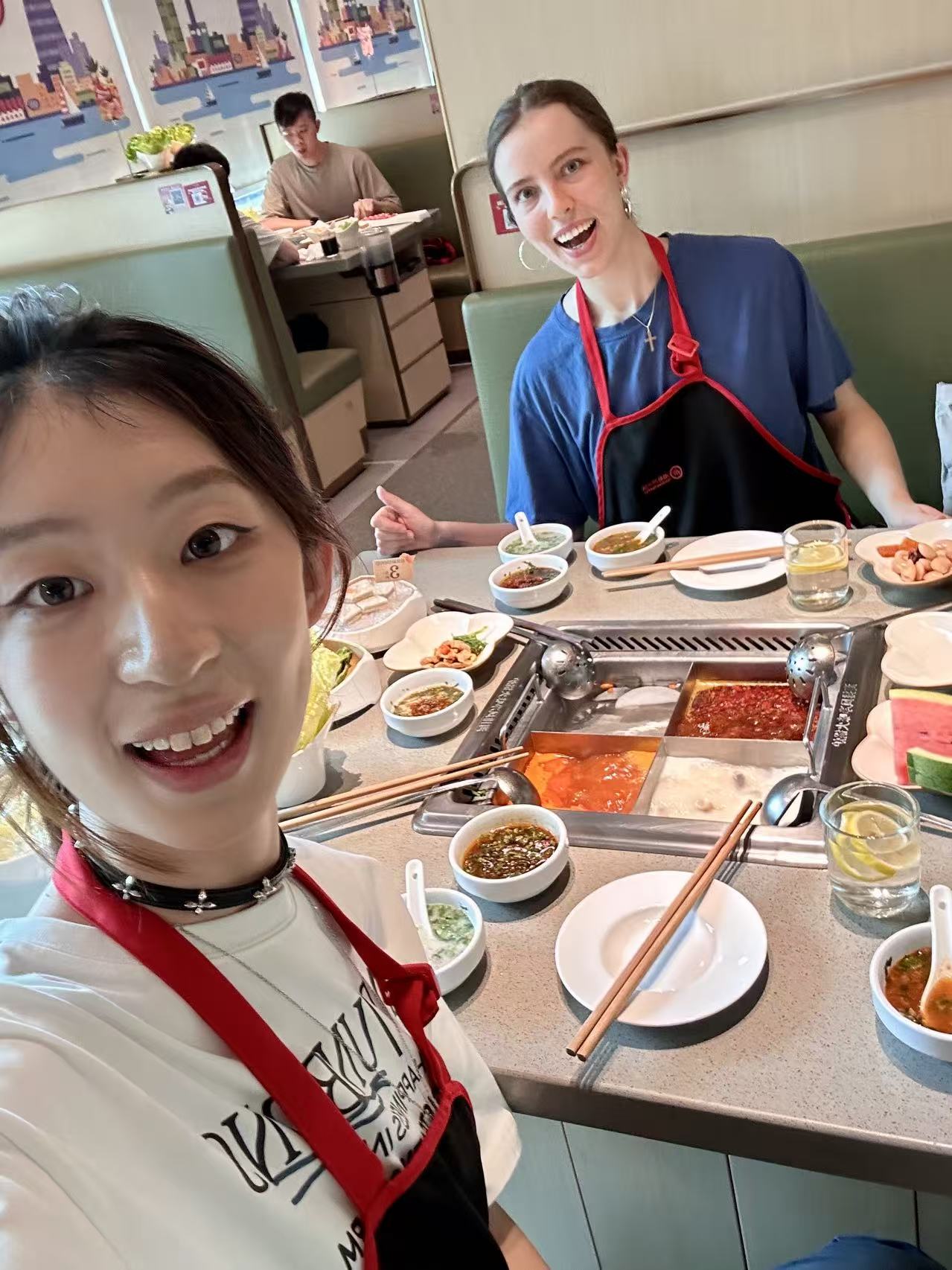
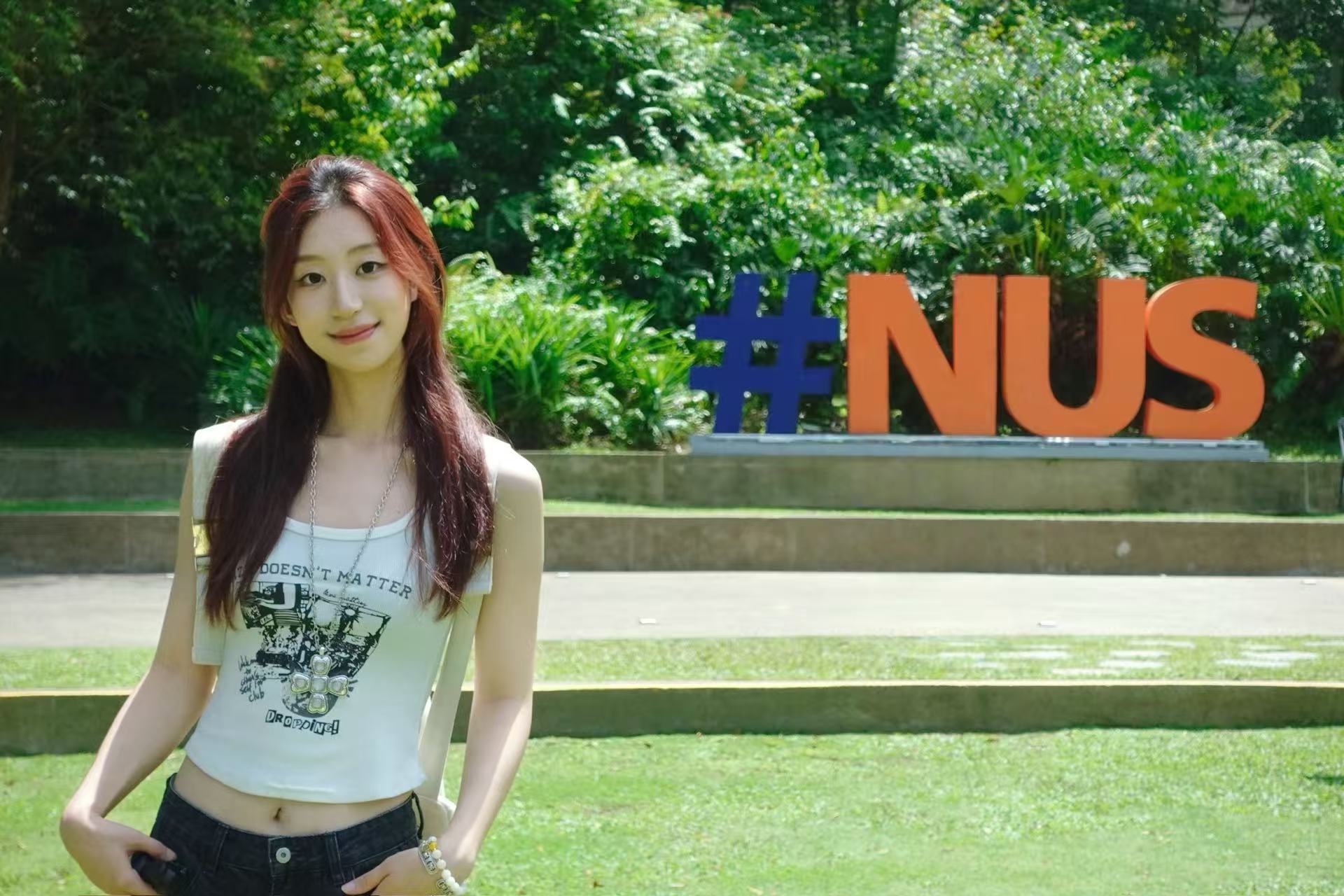
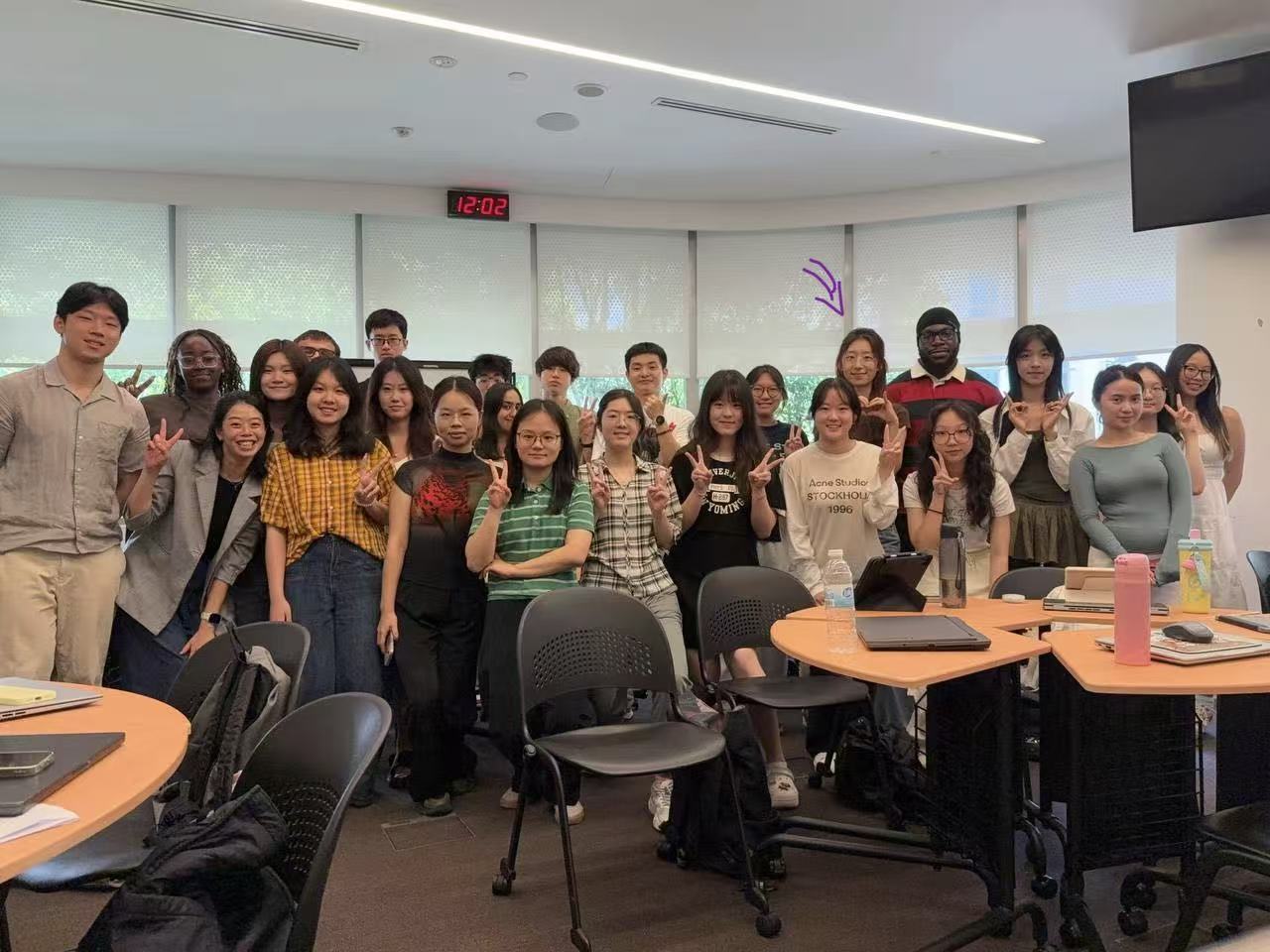
I have studied, exchanged, and lived in Hong Kong, Singapore, France, and the UK. Through these experiences, I also gained friendships that I believe I will treasure for life.

These experiences made me realize that what really matters in cross-cultural communication is often not just switching languages, but understanding the other person's cultural context, including what feels proactive and what feels polite.

So when I work with people from different backgrounds, I tend to prepare in advance, think from their perspective, and understand their ways of expression and cultural habits first. For any global-facing business, my advantage is not only English ability, but also my adaptability to different contexts, users, and teams.

What I bring is not only English, but also adaptability across people and contexts.
Across cultures photo 1

quiet conversations

Across cultures photo 2

shared contexts

Across cultures photo 3

friendship that stays

Across cultures photo 4

learning different rhythms

A Few Things I Genuinely Enjoy

04

Podcasts

I enjoy podcasts about business, the humanities, and technology. They let me keep learning while commuting or exercising, and the conversational format helps me hear different perspectives colliding through sound.

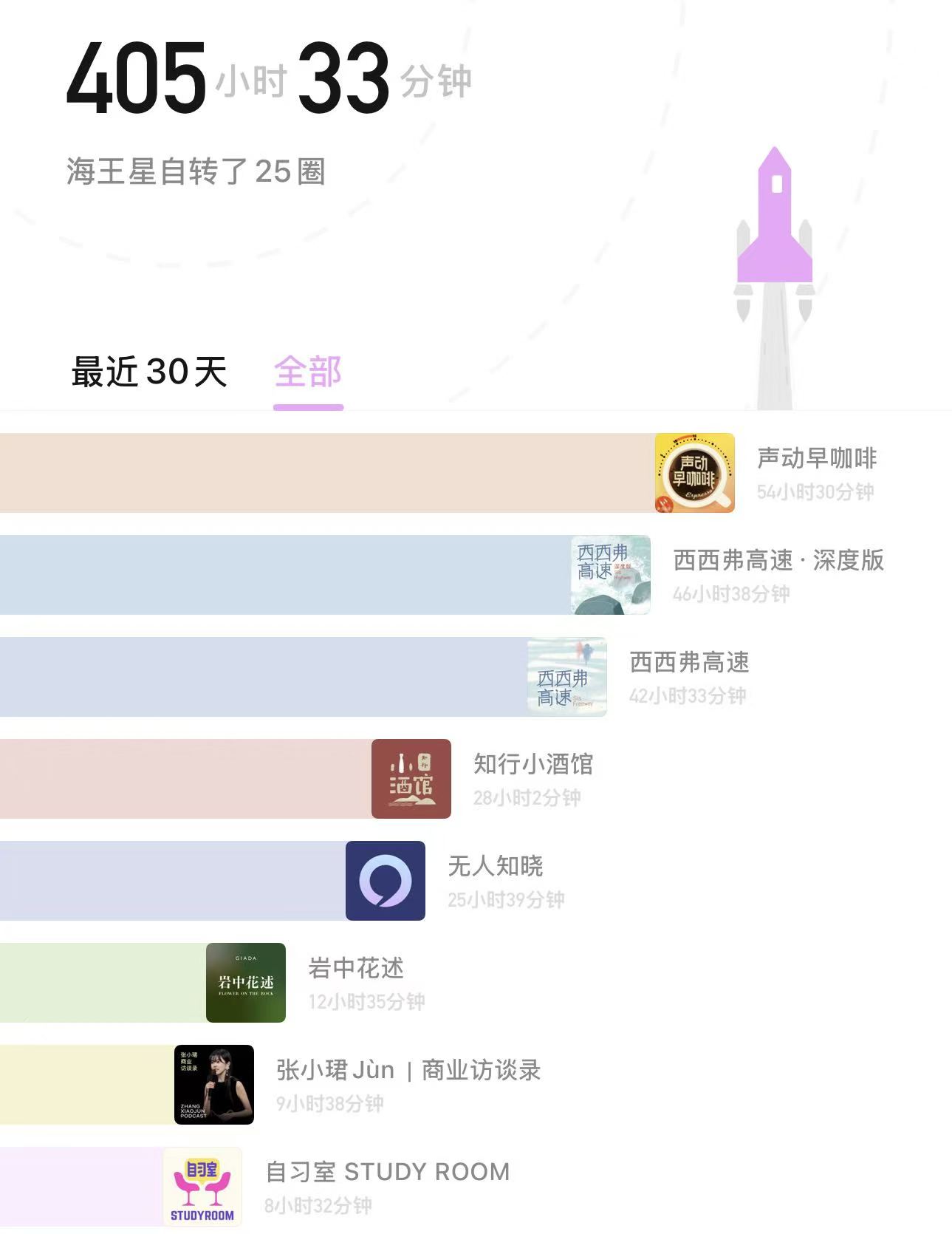
I have listened for around 400 hours so far. Beyond relaxation, podcasts are an important way for me to keep learning: they help me build business thinking, stay aware of industry changes, pick up different ways of thinking, and even keep practicing English in everyday life.

Podcast listening hours
声动早咖啡
自习室
西西弗高速
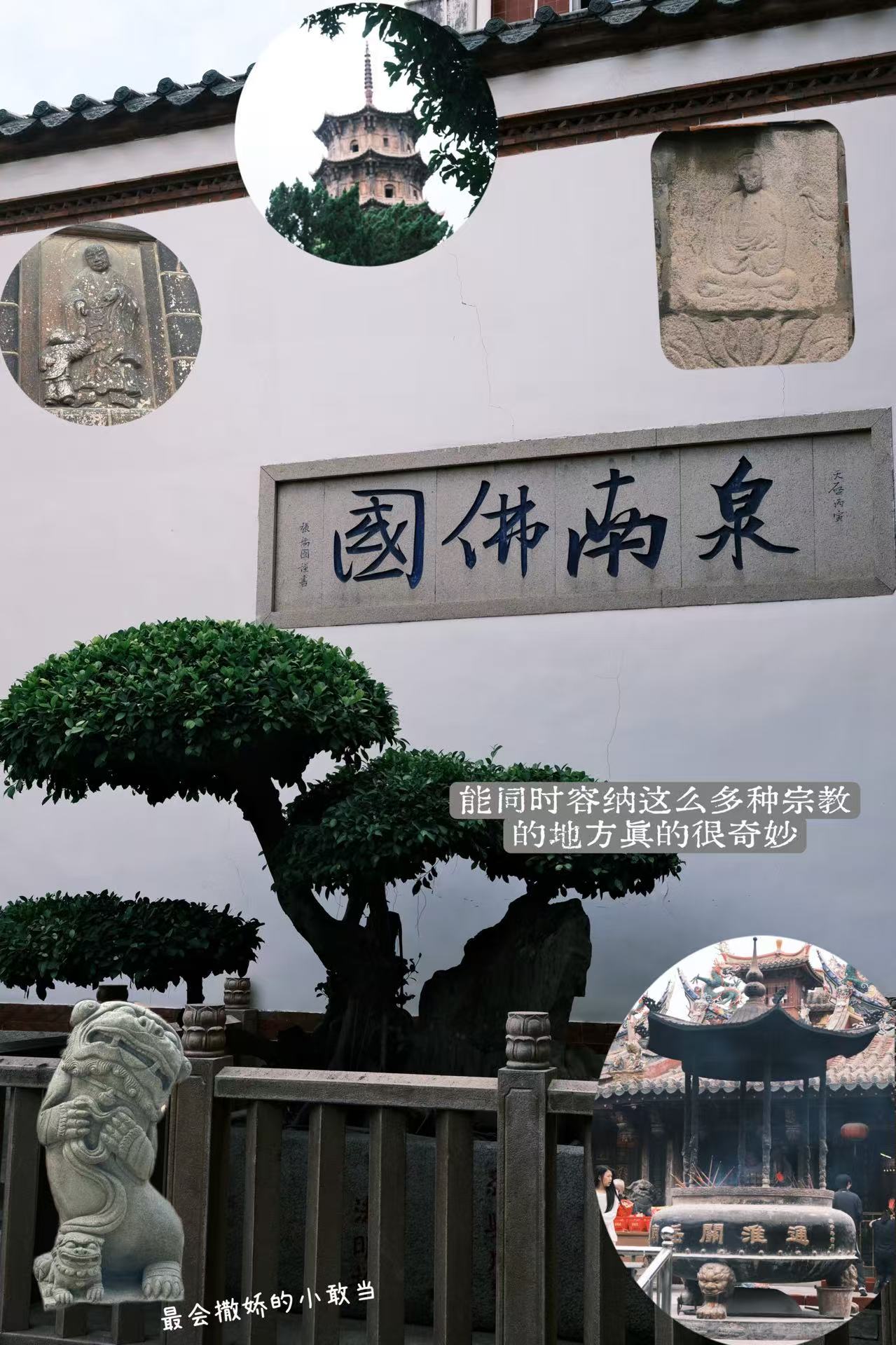
泉州旅行照片
QZ 泉州
汕头旅行照片
ST 汕头
NEXT: SOLO ABROAD

05

Solo Travel

I also really enjoy traveling alone. I have visited cities like Quanzhou and Shantou and tried to experience their pace of life and cultural atmosphere. Although I also travel with friends and family, solo travel often gives me more in return. It makes it easier to talk to local people, and it gives me more space to observe, think, and notice the details of a place. I hope that in the future I can travel abroad alone and experience more cultures firsthand.

A Book & A Movie I Love

Why Fish Don't Exist

Why Fish Don't Exist

Lulu Miller

This is a unique non-fiction book that traces the life of 19th-century ichthyologist David Starr Jordan. Even after the San Francisco earthquake destroyed his entire specimen collection, he relentlessly rebuilt his classification system. What struck me most is the philosophical question it raises: modern biology has proven that a tuna is actually more closely related to a human than to a shark—meaning scientifically speaking, "fish" do not exist. It made me realize that many classifications we take for granted are just our attempts to make the world look orderly.

This deeply inspired my approach to user operations. We often categorize people as "new," "active," or "churned" users, but we must be careful not to oversimplify. We need to see the real people and real needs behind the labels. It also taught me to accept uncertainty: instead of obsessing over perfect order, it is better to stay open and flexible in the face of chaos.

Soul

Soul

Pete Docter

This Pixar film tells the story of Joe, a middle school music teacher dreaming of becoming a jazz musician. After an accident sends him to the "Great Before," he tries to help a cynical soul, "22," find her spark.

Joe always believed his life would only have meaning once he reached his dream stage. Yet, after achieving it, he felt empty. He eventually realizes that the meaning of life isn't just about finding one "great purpose"—it is about enjoying every present moment, like the falling leaves, the taste of pizza, or the rhythm of music. This movie made me rethink the relationship between the "goal" and the "process." Goals are important, but enjoying the journey is equally vital. It also validated my career choice: I chose user operations not just to hit a grand target, but because I genuinely enjoy the process of connecting with users, solving real problems, and finding everyday meaning in making experiences better.

Hello
Bonjour
Hola
こんにちは
Ciao
你好

请联系我

Open to conversations about products, users, research, or opportunities that value thoughtful execution

yjthebest0820@gmail.com
N6409_W2156
17865710820